Ancient India and Persia: An Interaction
A Workshop at the Chhatrapati Shivaji Maharaj Vastu Sangrahalaya (CSMVS)
4-5 December 2026, Chhatrapati Shivaji Maharaj Vastu Sangrahalaya (CSMVS)
Convenors: Dr Vesta Sarkhosh Curtis and Dr Sarah Stewart
It was through the favour of Ahura Mazda, the Zoroastrian Lord of Wisdom, that the ancient Persian kings Darius, Xerxes and Artaxerxes I and II justified their rule as the righteous kings of the Persian empire from the 6th-4th century CE. This is clearly described in the royal inscriptions of the time, as well as shown in the art of this period.
While we are not familiar with such religious affiliations during the Arsacid Parthian period, the Zoroastrian calendar and names recorded in documents dating to the 1st century BCE – 1st century CE excavated at Nisa, the first capital of this dynasty, suggest that Zoroastrianism was one of the practised religions during this period. In the following Sasanian period, Zoroastrianism became the state religion of the empire.
From the Achaemenid Persian period, we have documents in the form of the Persepolis tablets which record commercial contacts with India, and an Indian delegation also appears on the reliefs at Persepolis. Therefore, interaction between ancient Persia and the Indian subcontinent went back to the 5th century BCE. Dynastic ties as well as trade connections continued under the Arsacid Parthians as well as the Sasanians until 651 CE.
This workshop will consist of a series of papers and discussions where new evidence of transmission of ideas from ancient Persia and Central Asia to India will be addressed. Questions will focus on which ideas were developed in ancient Persia – and Central Asia- that may have contributed to a fusion in the field of art, architecture and religious texts, as well as the 19th and 20th century architecture of Zoroastrian fire temples in India.
These and other points will help us to understand a long and fruitful interchange of cultural ideas that have survived challenges and have contributed to the formation of different religious, artistic and cultural models from Persia to India and beyond.
Attendance by invitation only
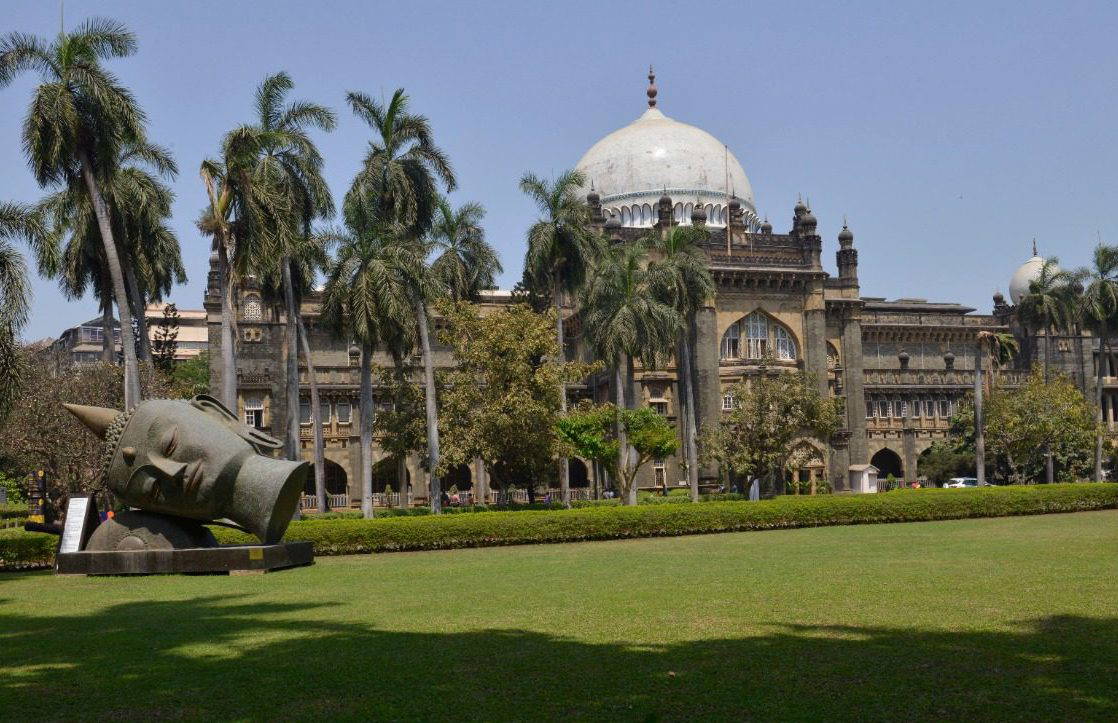
Further information about the museum can be found here.
This programme is organised by British Institute of Persian Studies (BIPS) in collaboration with Chhatrapati Shivaji Maharaj Vastu Sangrahalaya (CSMVS), Mumbai, as part of ‘Networks of the Past: A Study Gallery of India and the Ancient World’. The Conference programme is being supported by BIPS and the Venue costs at Mumbai are being supported by CSMVS through the Citi-CSMVS Museum on Wheels Initiative.