Kani Shaie Archaeological Project (Iraqi Kurdistan)
Published on February 12, 2026
Written by Brady Hill

January 2025 | BIPS Travel Grant

Kani Shaie Archaeological Project (Iraqi Kurdistan)

Summary of topic:

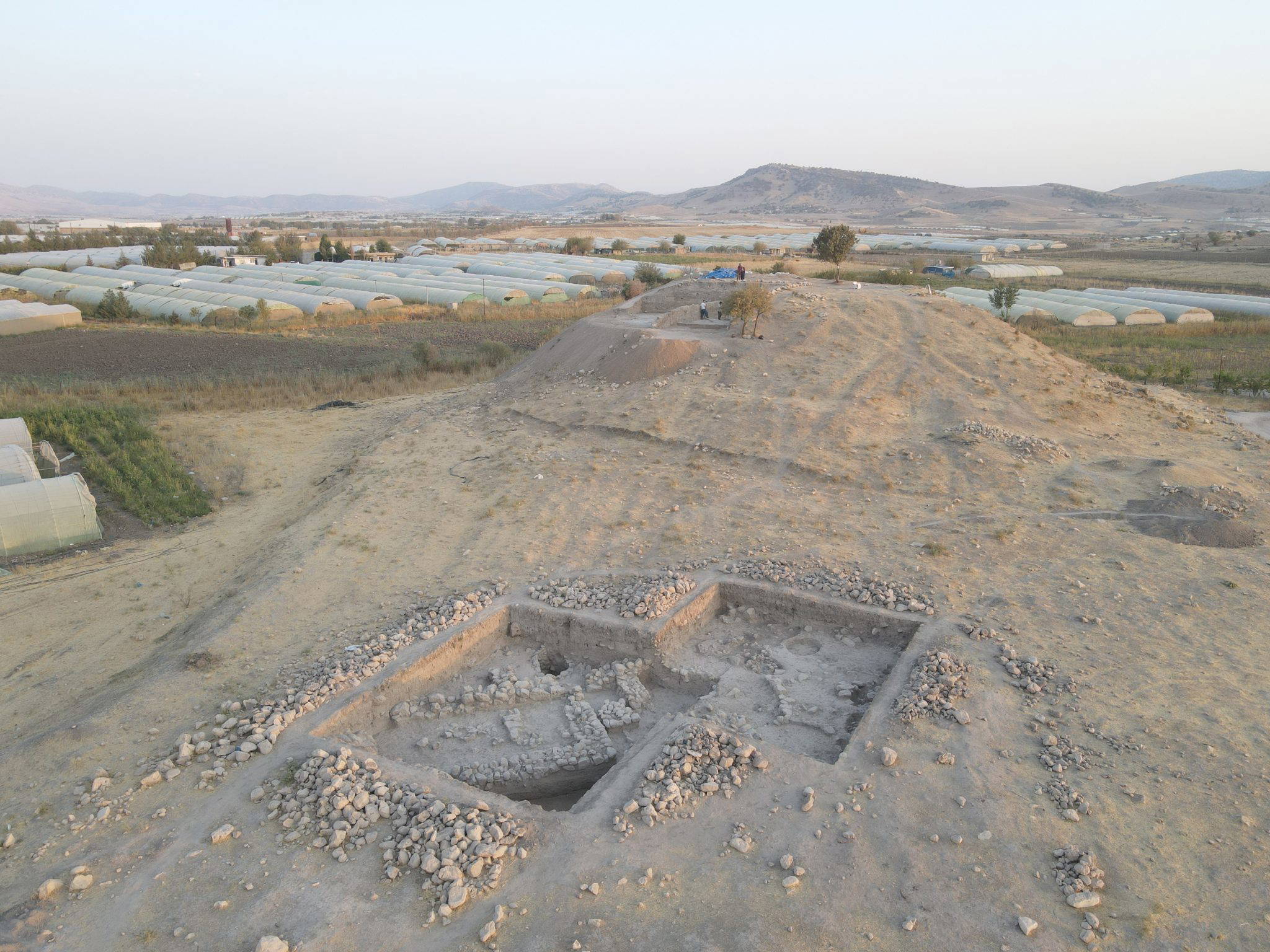
This fieldwork project included my participation in excavations at the archaeological site of Kani Shaie in Iraqi Kurdistan’s Sulaymaniyah Province. This small  site (~2 ha) is centrally located within the Bazyan Valley, a geographical feature that historically functioned as a rock wall separating the lowlands of northern Mesopotamia (modern northern Iraq) from the Zagros Mountains and western Iran. Consequently, Kani Shaie’s central location within the valley and its proximity to an important pass leading into the Zagros and western Iran resulted in the site’s continued occupation from the 6th millennium BC to the Ottoman period. The Kani Shaie Archaeological Project (directed by Dr. Steve Renette (University of Cambridge) and André Tomé (University of Coimbra)) has conducted excavations at the site since 2013 with an initial focus on its 4th and 3rd millennium Chalcolithic and Bronze Age occupations. However, the project’s scope has expanded in recent years with the discovery of substantial Neo-Assyrian, Hellenistic-Parthian and Sasanian period occupations in Kani Shaie’s Lower Town at the base of the site’s settlement mound. I became involved with these excavations in 2024, where I initially served as an assistant trench supervisor. During the 2025 season, I took on the role of trench supervisor for the project’s Lower Town excavations and worked extensively with the new material from the Neo-Assyrian and Persian periods.


Report:

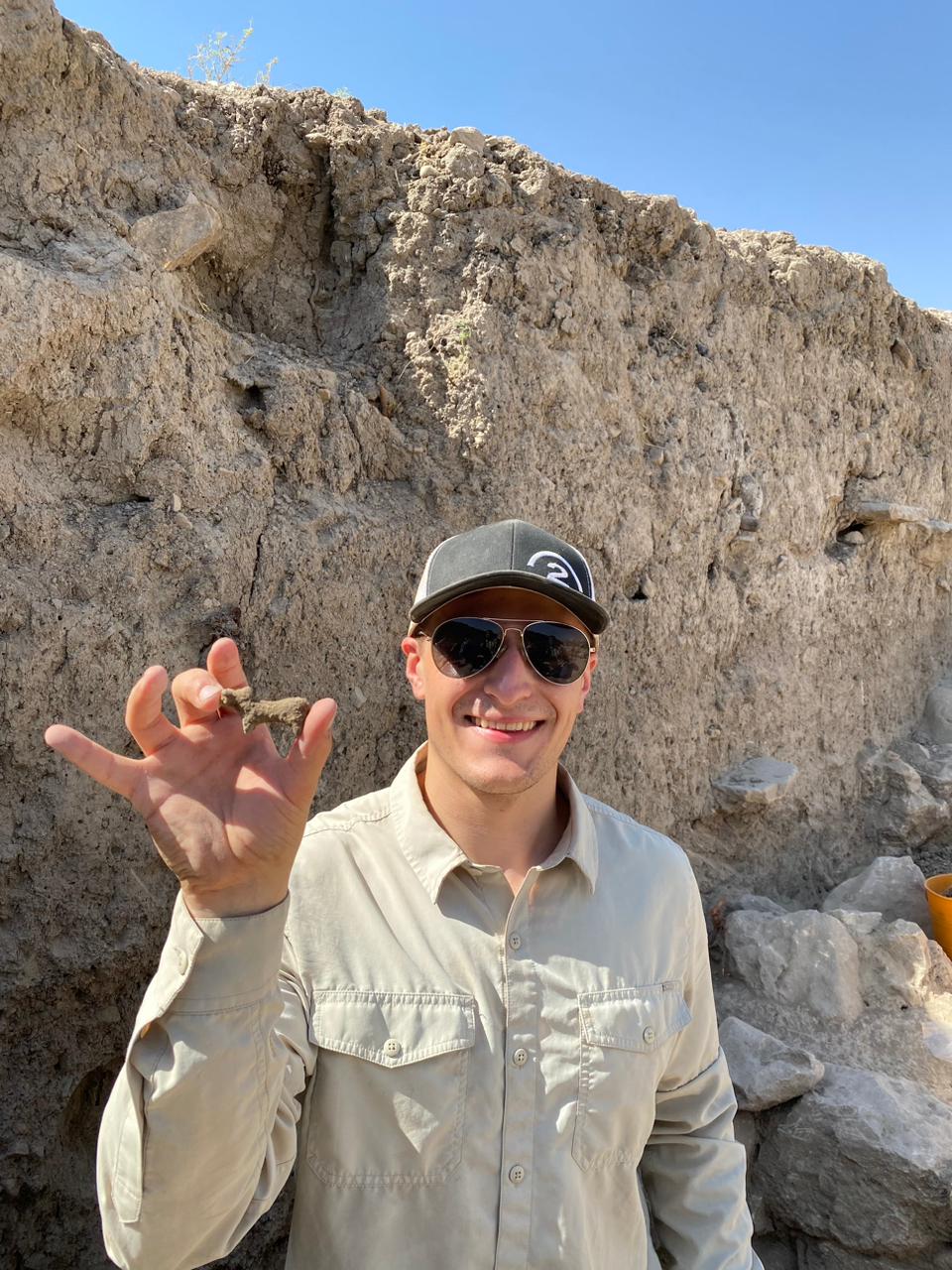
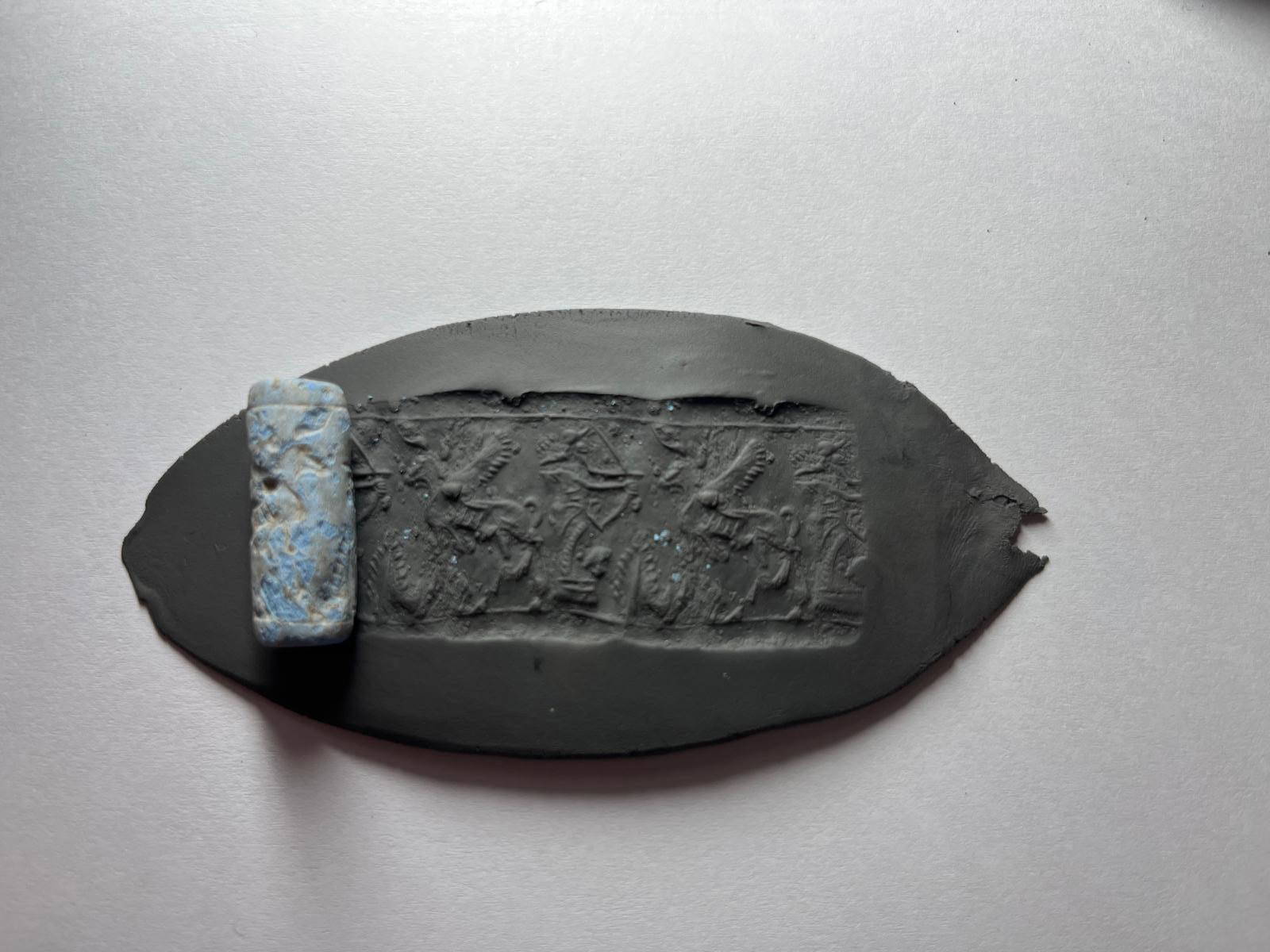
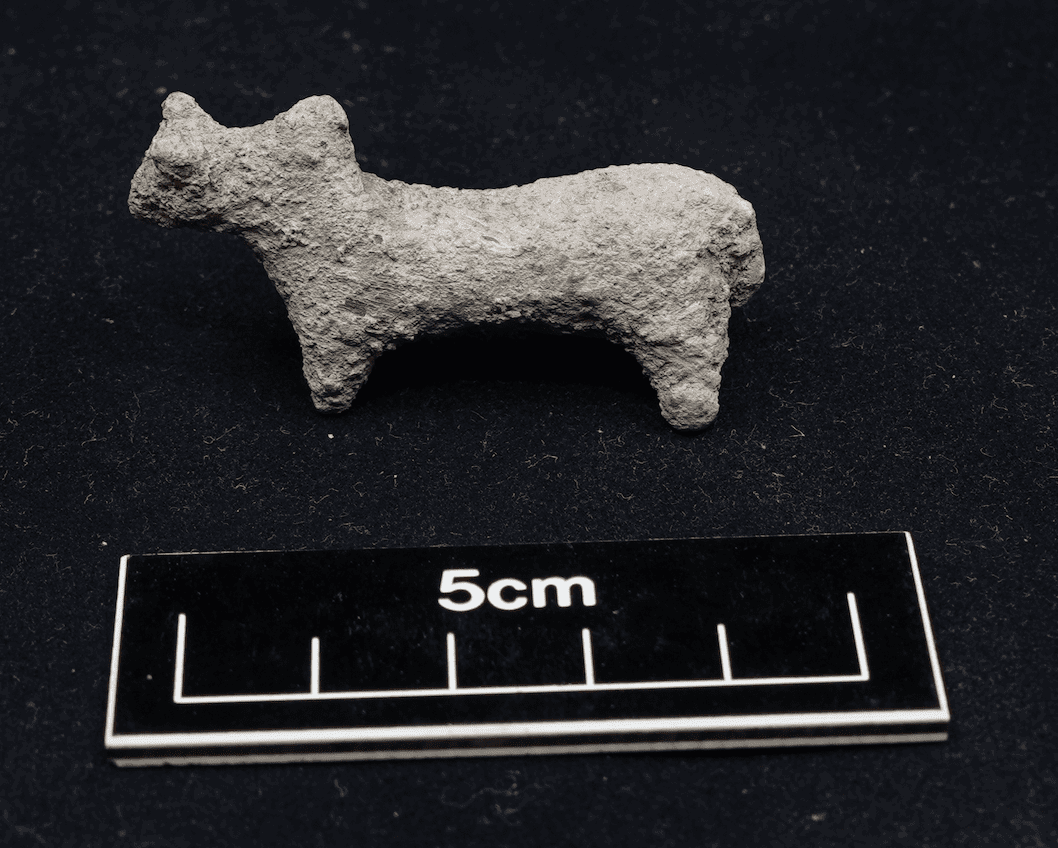
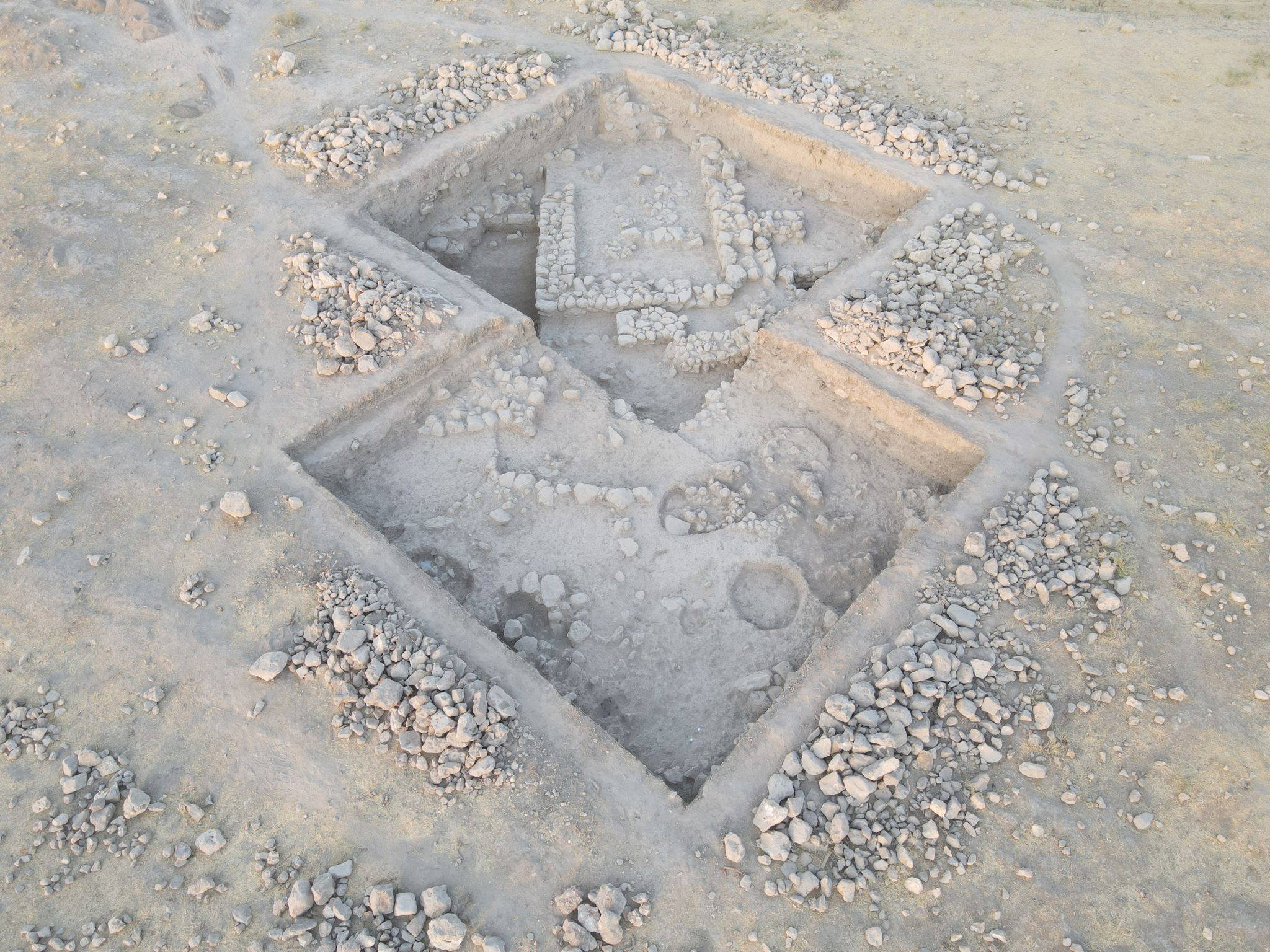
The 2025 field season at Kani Shaie was a resounding success in the site’s Lower Town excavation area. Following the discovery of a substantial rectangular stone building dated to the Hellenistic/early Parthian period (late 4th c BC – 1st c AD) in 2023 and 2024, this season focused upon excavating the site’s earlier occupations beneath the structure and expanding the original 10×10 m trench area with three 5×5 m squares. With the assistance of our dedicated Kurdish workmen and women, the Lower Town excavations unveiled multiple millennia of history, from the Middle Islamic period occupation (11th-13th c AD) just below the topsoil, to the extensive late Neo-Assyrian (7th-early 6th c BC) and Middle Bronze Age (early 2nd millennium BC) settlements underlying the Hellenistic/early Parthian stone building. Highlights of the season included the discovery of a cylinder seal depicting an archer facing a mythical winged bull, and a small iron figurine of a zebu cow. Both objects date to the late Neo-Assyrian period. Additionally, the original trench’s expansion during this season provided clarity on Kani Shaie’s Persian period occupations. Our initial evaluation of the evidence uncovered in 2023 and 2024 led us to suggest that the site was abandoned around the beginning of the 1st millennium AD and was not occupied again until the Middle Islamic period (11th-13th c AD). We now believe that a substantial early Sasanian period (3rd/4th c AD) occupation consisting of large mudbrick structures with stone floors and associated tanoor bread ovens overlies the Hellenistic and early Parthian settlement. This new understanding was only achievable through expanding the original 10x10m trench as the early Sasanian occupation excavated in previous seasons was largely disturbed by Islamic period trash pits and a stone rectangular building.


Brady Hill is a MPhil student at theUniversity of Cambridge. 

Join our mailing list
[/et_pb_column]
  • This field is for validation purposes and should be left unchanged.
[/et_pb_column]

January 2025 | BIPS Travel Grant

Kani Shaie Archaeological Project (Iraqi Kurdistan)

Summary of topic:

This fieldwork project included my participation in excavations at the archaeological site of Kani Shaie in Iraqi Kurdistan’s Sulaymaniyah Province. This small  site (~2 ha) is centrally located within the Bazyan Valley, a geographical feature that historically functioned as a rock wall separating the lowlands of northern Mesopotamia (modern northern Iraq) from the Zagros Mountains and western Iran. Consequently, Kani Shaie’s central location within the valley and its proximity to an important pass leading into the Zagros and western Iran resulted in the site’s continued occupation from the 6th millennium BC to the Ottoman period. The Kani Shaie Archaeological Project (directed by Dr. Steve Renette (University of Cambridge) and André Tomé (University of Coimbra)) has conducted excavations at the site since 2013 with an initial focus on its 4th and 3rd millennium Chalcolithic and Bronze Age occupations. However, the project’s scope has expanded in recent years with the discovery of substantial Neo-Assyrian, Hellenistic-Parthian and Sasanian period occupations in Kani Shaie’s Lower Town at the base of the site’s settlement mound. I became involved with these excavations in 2024, where I initially served as an assistant trench supervisor. During the 2025 season, I took on the role of trench supervisor for the project’s Lower Town excavations and worked extensively with the new material from the Neo-Assyrian and Persian periods.


Report:

The 2025 field season at Kani Shaie was a resounding success in the site’s Lower Town excavation area. Following the discovery of a substantial rectangular stone building dated to the Hellenistic/early Parthian period (late 4th c BC – 1st c AD) in 2023 and 2024, this season focused upon excavating the site’s earlier occupations beneath the structure and expanding the original 10×10 m trench area with three 5×5 m squares. With the assistance of our dedicated Kurdish workmen and women, the Lower Town excavations unveiled multiple millennia of history, from the Middle Islamic period occupation (11th-13th c AD) just below the topsoil, to the extensive late Neo-Assyrian (7th-early 6th c BC) and Middle Bronze Age (early 2nd millennium BC) settlements underlying the Hellenistic/early Parthian stone building. Highlights of the season included the discovery of a cylinder seal depicting an archer facing a mythical winged bull, and a small iron figurine of a zebu cow. Both objects date to the late Neo-Assyrian period. Additionally, the original trench’s expansion during this season provided clarity on Kani Shaie’s Persian period occupations. Our initial evaluation of the evidence uncovered in 2023 and 2024 led us to suggest that the site was abandoned around the beginning of the 1st millennium AD and was not occupied again until the Middle Islamic period (11th-13th c AD). We now believe that a substantial early Sasanian period (3rd/4th c AD) occupation consisting of large mudbrick structures with stone floors and associated tanoor bread ovens overlies the Hellenistic and early Parthian settlement. This new understanding was only achievable through expanding the original 10x10m trench as the early Sasanian occupation excavated in previous seasons was largely disturbed by Islamic period trash pits and a stone rectangular building.


Brady Hill is a MPhil student at theUniversity of Cambridge. 

[/et_pb_post_content]
[/et_pb_row]
[/et_pb_column]

Research, Research Assistant, and Student Travel Grants

  • This field is for validation purposes and should be left unchanged.
[/et_pb_section]