

May 2025 | BIPS Travel Grant
PhD research conducted at Yale University and the Rockefeller Archive Center
Summary of topic:
My PhD thesis examines the role of informal actors in shaping relations between Iran and the United States during the late Pahlavi period, ca. 1945-1979. It focuses on efforts of several individuals and institutions to lobby the governments of both states, producing specific diplomatic outcomes. One of the chapters analyses banker and philanthropist David Rockefeller’s efforts to integrate the Iranian and US financial markets during the 1970s, to influence the alliance management strategies adopted by the administrations of Gerald Ford and Jimmy Carter. To conduct research for this chapter, I visited the Rockefeller Archive Center and Yale University Library, where I accessed Rockefeller’s personal papers, and the documents of his associates at Chase Manhattan Bank.
Report:
My visit to Yale and the Rockefeller Archive Center was very productive, providing foundational research for the final chapters of my PhD dissertation.
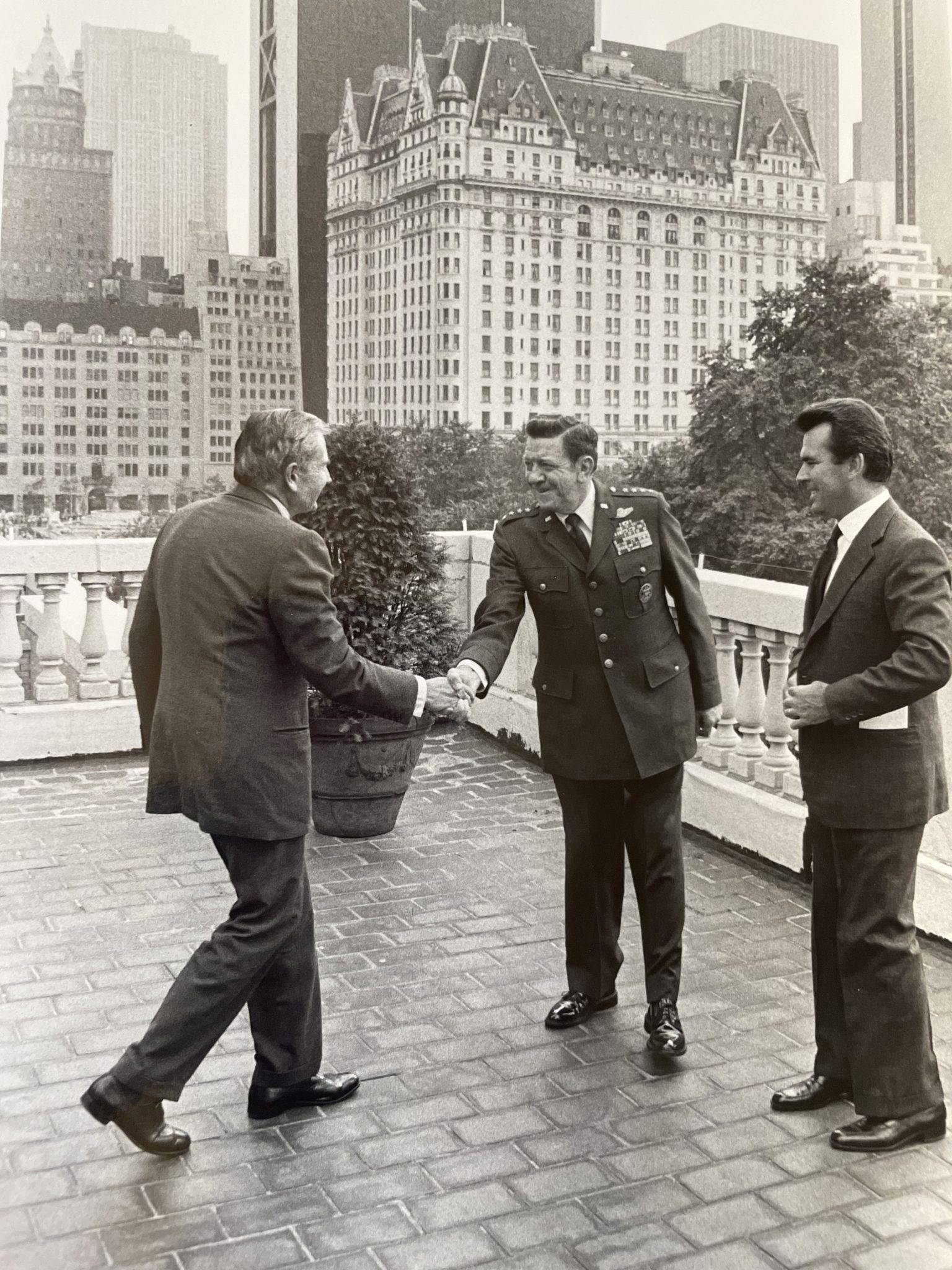
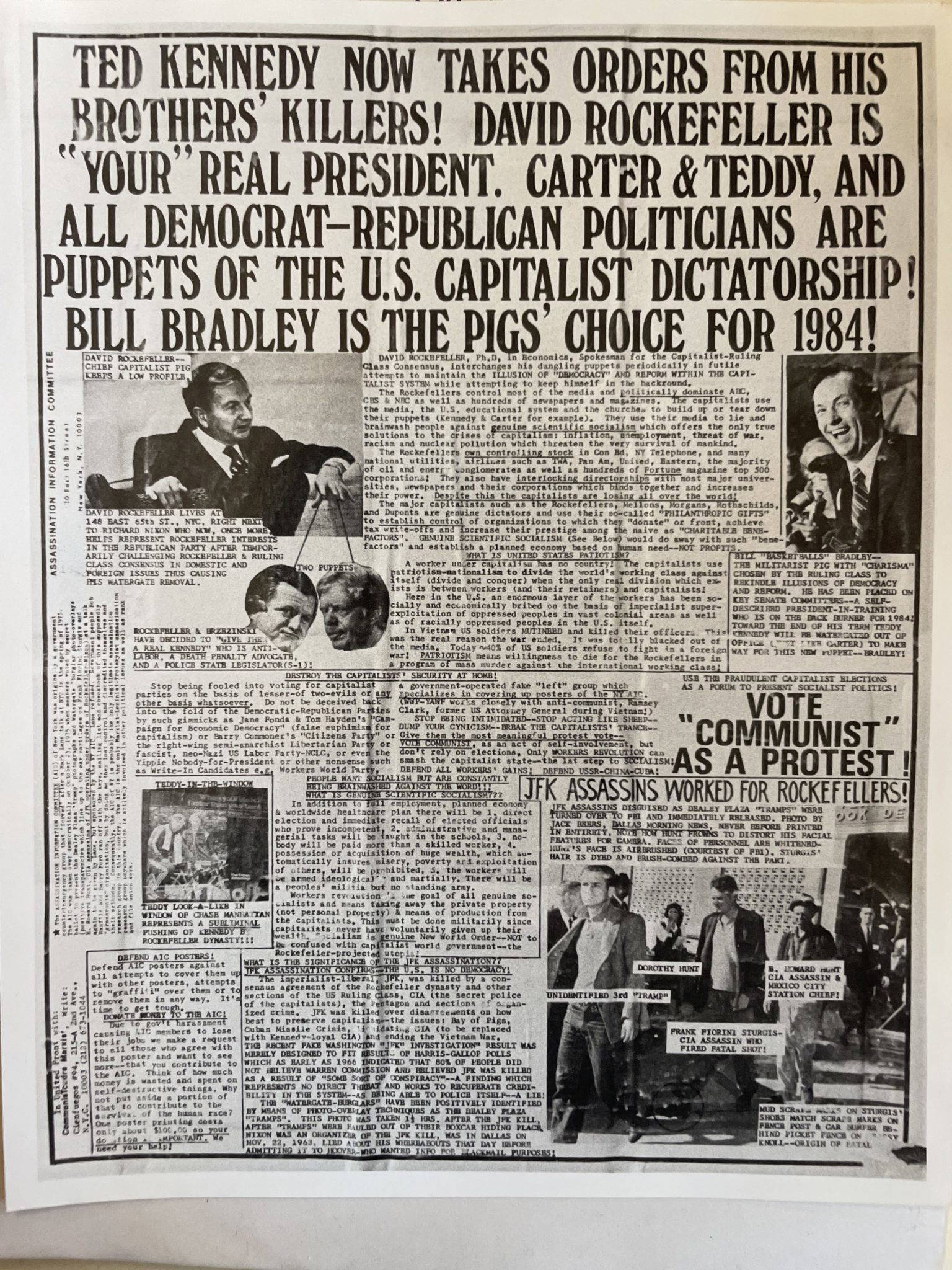
My visit to the Rockefeller Archive Center focused on David Rockefeller’s personal and professional papers, which include notes, speeches, and records of conversation. These sources yielded insight into his economic interests, his relationship with members of the Ford administration like Henry Kissinger and detailed his engagement with Iran through the 1950s and 1960s. Additionally, these documents illuminated Rockefeller’s perceptions on how relations with Iran could impact US financial markets, and the political implications therein. All these factors contextualise his influence in US policymaking during the 1970s.
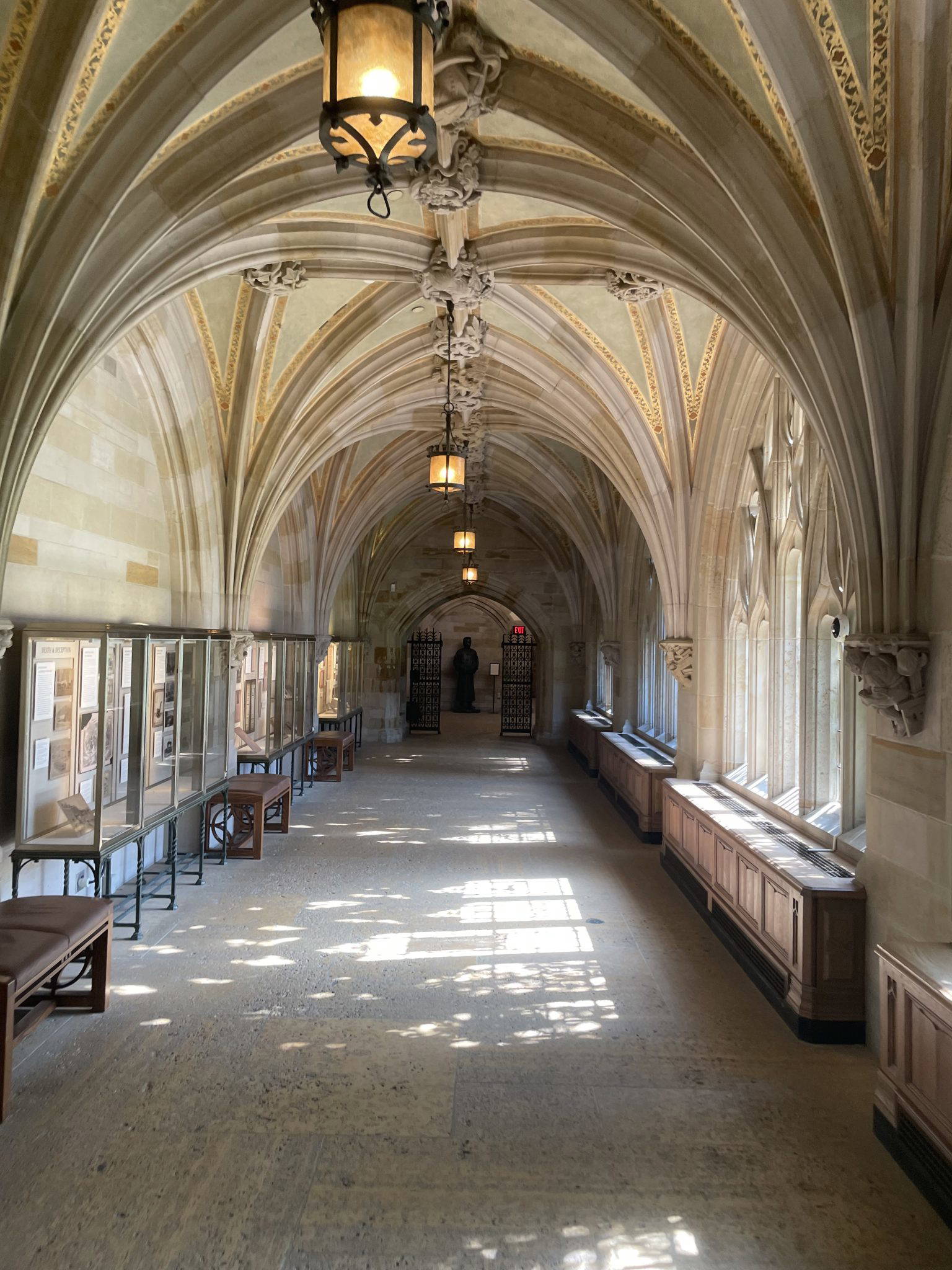
At Yale University, the Joseph Verner Reed Papers (Reed being Rockefeller’s close associate) offered significant insights into Rockefeller’s lobbying efforts during the 1979 revolution – activities largely based on his work in the early-mid 1970s. Documents detailed his opposition to rapprochement with revolutionary figures, coordination in the effort to secure asylum for the Shah, and advocacy for sanctions and asset freezes, all of which advanced his political and private interests. These materials revealed Rockefeller’s underexplored role in 1970s Iran-US relations, while offering a personal perspective missing from other collections.
Overall, this research demonstrates that Rockefeller’s private interests exerted influence over US policy toward Iran during the 1970s, evolving from cooperation to obstruction as relations collapsed. His ability to utilise financial, philanthropic, and informal diplomatic power remains an important yet overlooked aspect of Iran-US relations during the late Pahlavi period.
Jack Roush is a PhD student at the London School of Economics and Political Science.