

May 2026 | BIPS Student Travel Grant
A Typology of Sogdian Cultic Spaces from the 5th to the 8th Century: Material Culture, Cultic Practices, and Sociopolitical Significance
Summary of topic:
Early medieval Sogdiana, located in present-day Uzbekistan, was home to a network of prosperous city-states that played a central role in Silk Road trade. These communities practised Zoroastrianism, an ancient Iranian religion that profoundly shaped the cultural and social life of Central Asia. Despite their importance, the material remains of Sogdian religious practice have often been poorly documented and insufficiently studied. This project investigates how Zoroastrianism was expressed through architecture, objects, and spatial organisation in the Bukhara and Samarkand oases between the 7th and 8th centuries. Drawing on archival research, museum collections, and excavation records, it brings together previously scattered data into a structured research database. The database records stratigraphic information, architectural features, and associated artefacts from major sites such as Paykend and Varakhsha. Using this material, the project develops a new typology of devotional spaces and examines how religious activities were embedded within domestic, institutional, and urban environments. Through systematic comparison of different sites and contexts, the research provides new insights into the relationship between religion, authority, and everyday life in early medieval Sogdiana, while also highlighting the cultural value of this endangered archaeological heritage.
Report:
The project has produced a substantial body of new documentation on religious and administrative spaces in the Bukhara and Samarkand oases. A major outcome has been the reconstruction of architectural layouts and stratigraphic sequences from key areas of the city of Paykend, particularly within the Shahristan I and the Citadel. By analysing excavation reports, assemblage lists, and museum records, the project created coherent stratigraphic frameworks and associated material inventories, with particular attention to pottery and architectural features dating between the 7th and 8th centuries. This work has made it possible to identify distinct categories of religious spaces, including four-pillared halls, fire altar sanctuaries, and palatial complexes. These categories only partially correspond to evidence from other Sogdian sites, suggesting regional variation in religious practice. Contextual analysis of artefacts and architectural arrangements has also provided new insights into how ritual activities were organised within domestic, institutional, and urban settings, and how religious spaces functioned within broader social and political structures. In addition, the project enabled extensive photographic documentation of important sites in the Bukhara oasis, including Varakhsha and Ramitan, strengthening the visual and spatial record of their architectural remains.
A further major outcome has been the first systematic documentation of a large assemblage of administrative seals (bullae) discovered at the site of Kafir Kala. This previously unpublished material provides valuable evidence for administrative organisation and visual expressions of authority in early medieval Sogdiana. Analysis of 57 profile portrait impressions has revealed consistent representational patterns in facial features, hairstyles, and accessories, highlighting how seals were used to communicate institutional identity and power. Together, these results significantly enhance understanding of religious life and administrative practices in Sogdiana and provide a solid foundation for future comparative research and publication.
Stefano is a PhD student at UCL’s Institute of Archaeology.
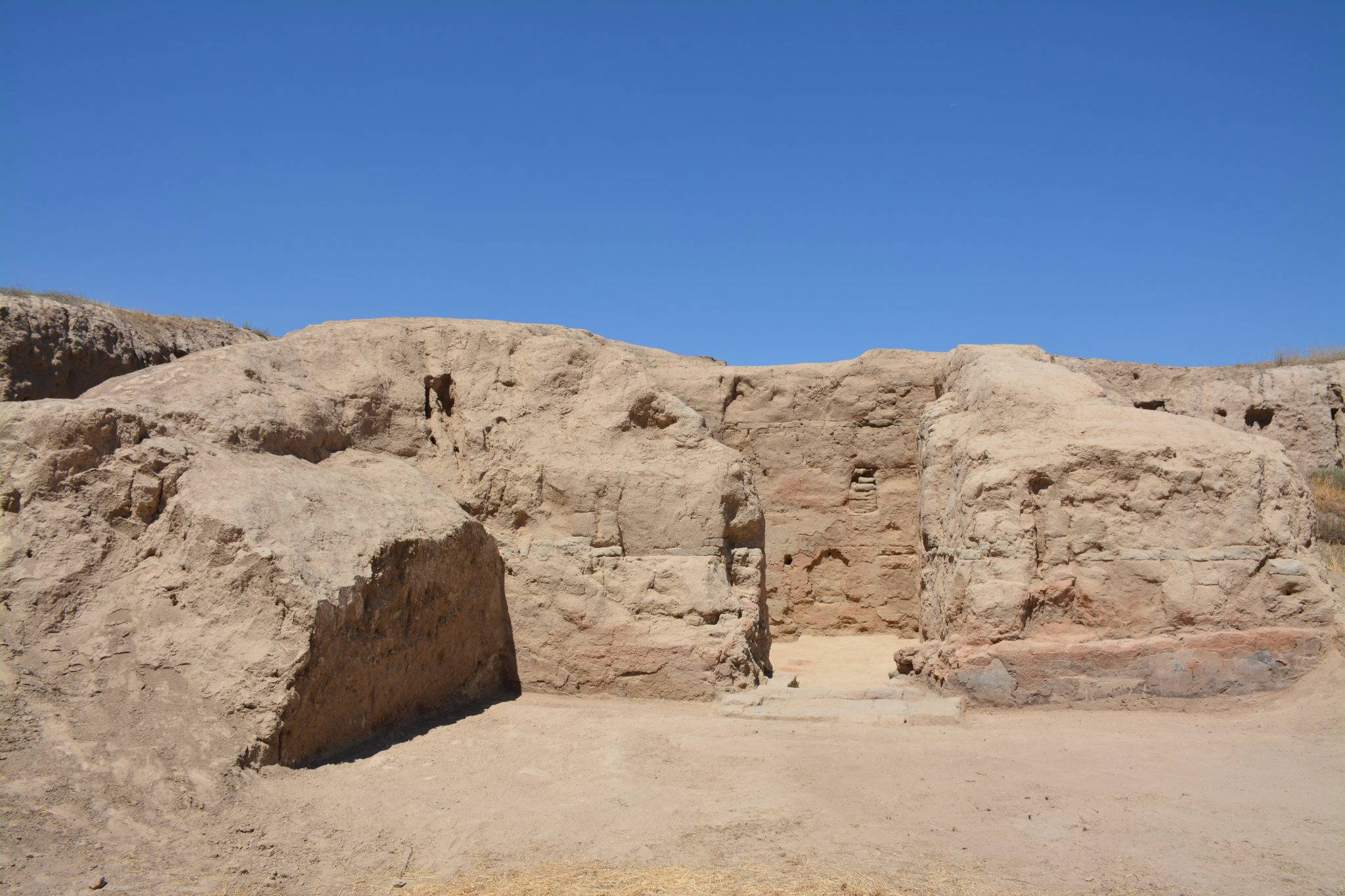
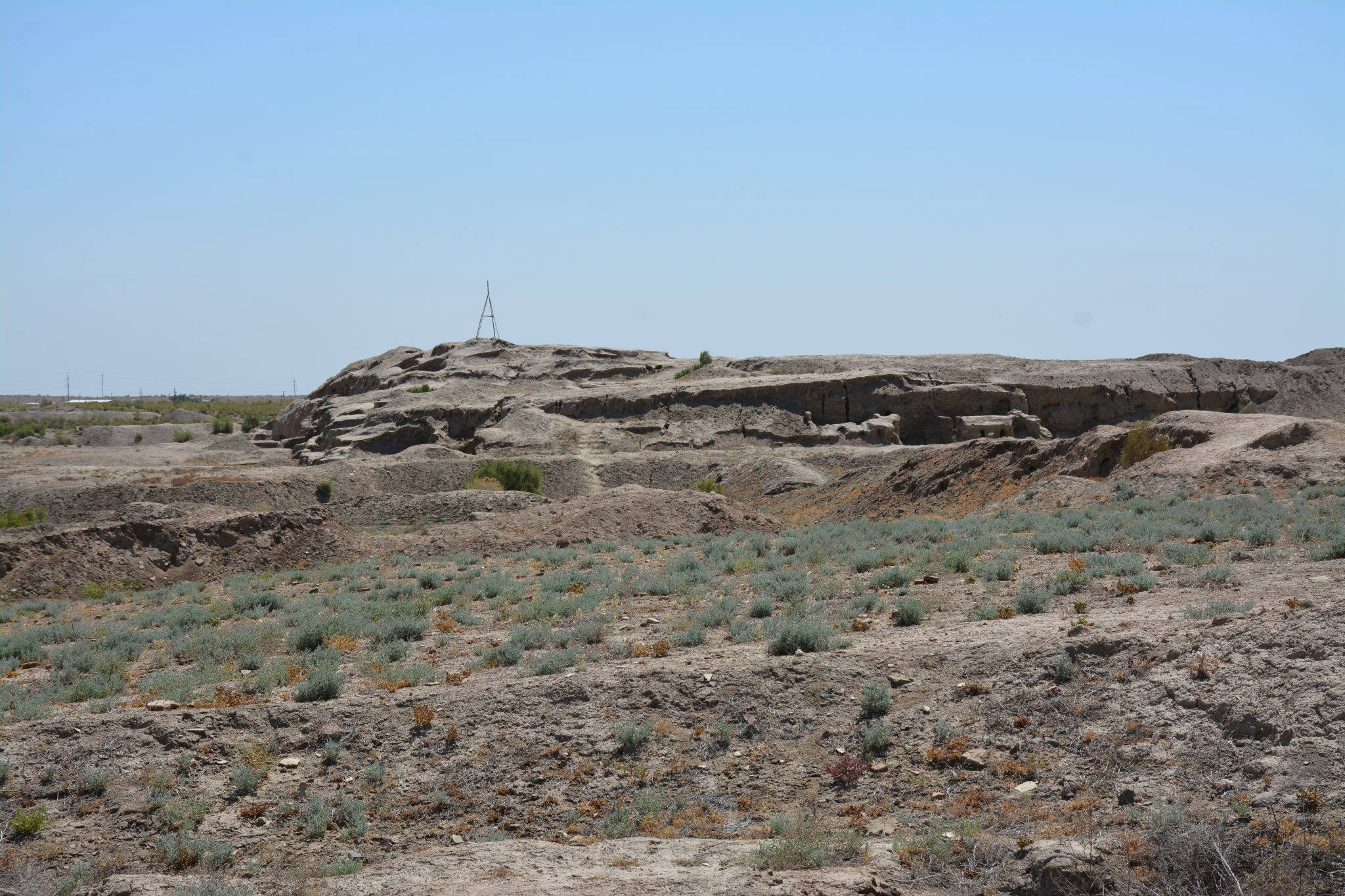
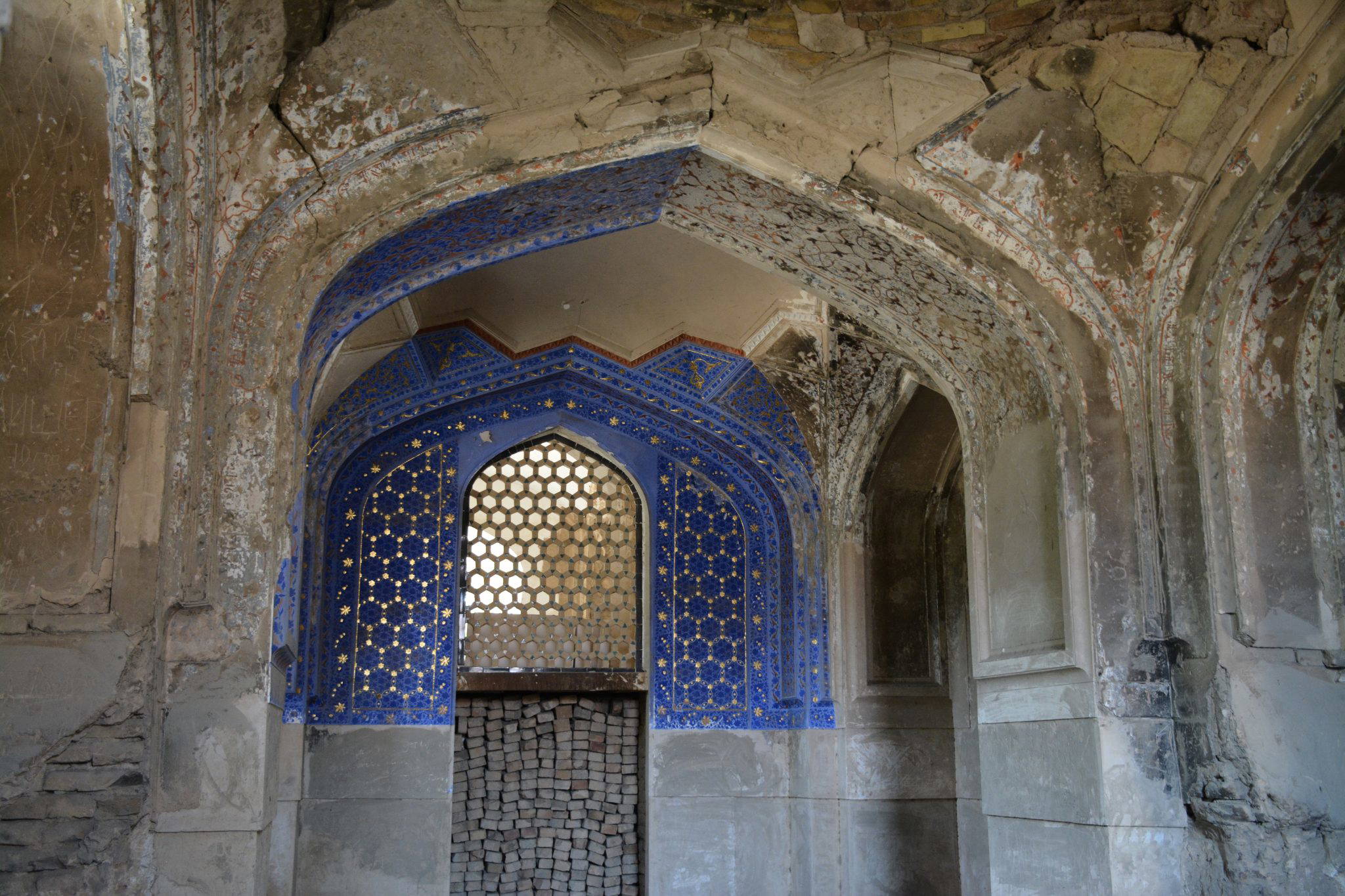
Images shown from left to right: Kafir Kala citadel, Samarkand; Citadel of the ancient city of Paikend; Abandoned mosque, Samarkand; Skyline of Bukara city, Samarkand