

Peering Through the Cracks. Polish Musicians in Tehran 1942 to 1945: The Case of Irena Valdi-Gołębiowska
with Laudan Nooshin
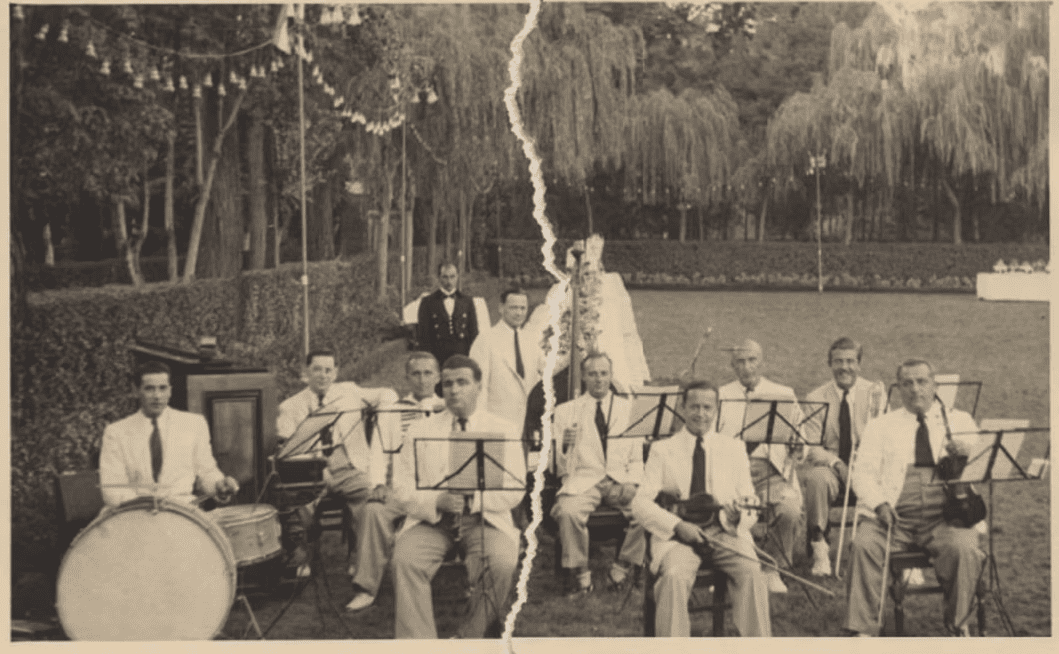 In the spring and summer of 1942, an estimated 300,000 Poles arrived in Iran, having travelled thousands of miles from recently opened-up Soviet labour camps in Siberia and elsewhere in Central Asia. Notwithstanding people’s sense of transience, a Polish cultural presence was established within a relatively short period, with schools, cultural institutions, radio stations, newspapers and cafés. And there were also musicians. This talk reports on a project exploring the cultural and musical lives of Polish exile-refugees in Iran during World War 2. I focus on the singer Irena Valdi-Gołębiowska (1891-1979) who lived in Tehran between 1942 and 1945 and whose collection of photographs, programme notes, concert invitations and letters becomes a lens through which to understand something of the geography of the Polish presence in Tehran at this time. More broadly, I examine how legacies of migrant stories are formed and narrated, and how we recover individual stories against narratives of collective migratory experience (Image credit: United States Holocaust Memorial Museum).
About the speaker:
Laudan Nooshin is Professor of Music at City St George’s, University London. Her current research interests include urban sounds studies, music and sound in Iranian cinema, and sound and equity in public space with a focus on museums and heritage spaces. Laudan has published widely and is currently writing a book on the sounds of Tehran https://www.sonictehran.com/. In 2023-24 she was seconded to the theatre and acoustic consultancy Charcoalblue (AHRC funded) and is currently in receipt of a Leverhulme Trust Major Research Fellowship for a project exploring the musical and cultural lives of Polish exile-refugees in Iran during World War 2.